- The Project
Project Structure & Legal Non-Extraction
Legal and Technical Foundations of the Project
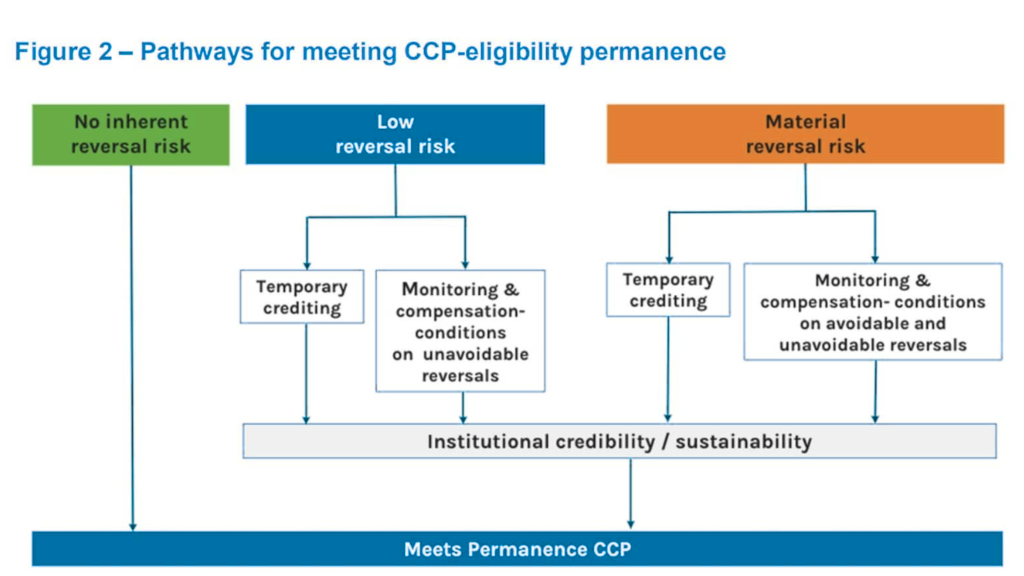
Permanence in carbon accounting is often treated as a modeling challenge.
In the project, permanence is treated as a legal condition.
This page explains how emissions avoidance at the project located in Los Angeles County, California, USA (onshore) is made permanent through ownership, enforceable restraint, and third-party verification—rather than probability, buffers, or future assumptions.
1. What “Permanence” Means in This Context
In traditional carbon markets, permanence refers to the likelihood that an emissions reduction or removal will not be reversed in the future.
In the project, permanence is defined more narrowly and more rigorously:
Permanence is the absence of a lawful, economic, or operational pathway for emissions to occur.
If emissions cannot legally or practically occur, they cannot be reversed.
2. Ownership as the Primary Control Mechanism
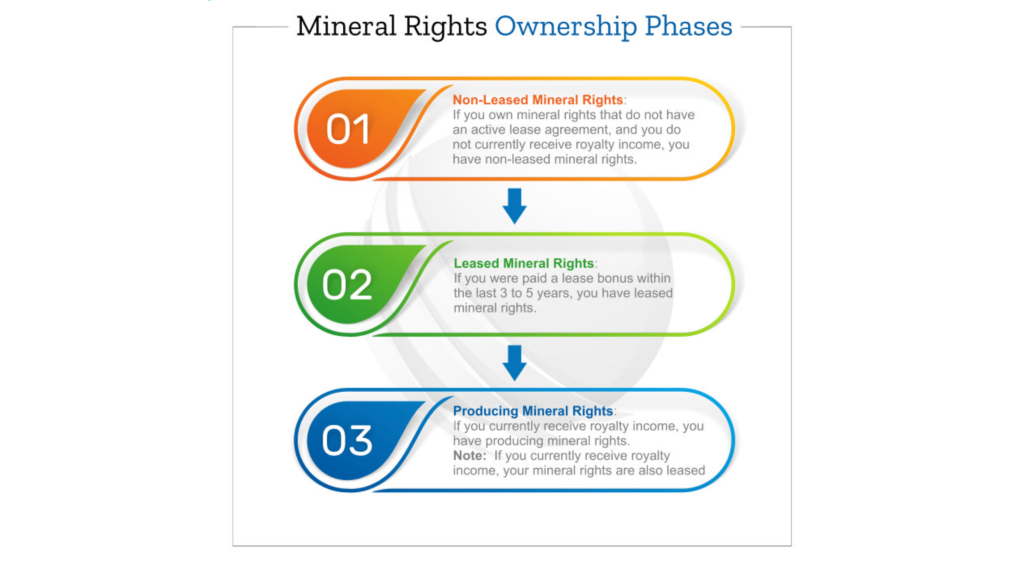
The project is grounded in direct ownership of the underlying asset—not contractual influence over third parties.
Key ownership elements include:
- Ownership of mineral and subsurface rights
- Authority to determine whether hydrocarbons are extracted
- Exclusive control over production decisions
- Ability to bind the asset to non-extraction indefinitely
Unlike registry-based projects, there is no reliance on:
- Community behavior
- Operator compliance
- Technology uptime
- Policy continuity
The decision not to extract is exercised at the property right level, where control is absolute.
3. Economic Viability as a Precondition for Credible Avoidance
For emissions avoidance to be meaningful, the baseline must be real.
Independent reserve analysis confirms that:
- Recoverable hydrocarbons exist
- Production would be economically viable under standard assumptions
- The decision not to produce is intentional, not incidental
This distinction is critical.
Avoidance is only credible if production could have occurred but does not.
4. Legal Enforcement of Non-Extraction
Permanence is secured through binding legal mechanisms that:
- Prohibit extraction activities
- Restrict operational development
- Prevent transfer or use of rights in a manner inconsistent with non-production
- Create durable constraints that survive market conditions
These constraints are not aspirational.
They are documented, enforceable, and auditable.
As a result, the project does not rely on future incentives to maintain permanence.
Permanence exists at inception.
5. Eliminates Reversal Risk Structurally
The project is structured around legal non-extraction of hydrocarbons within a defined project area. Detailed legal, risk, and permanence analysis is available only to qualified parties through the controlled diligence process.
6. Ownership and Double-Counting Prevention
Double counting is a structural risk in registry-based systems, where:
- Multiple claims can arise from the same activity
- Ownership is abstracted from the asset
- Registries act as intermediaries rather than rights holders
In the project:
- Ownership of avoided emissions flows directly from ownership of the underlying asset
- There is a single decision-maker and rights holder
- No parallel claims can arise without duplicating property rights themselves
This creates a clear, defensible chain of custody grounded in law, not ledger entries.
7. Interaction with Carbon Accounting Standards
While permanence is legally enforced, emissions avoidance is still:
- Quantified conservatively
- Documented transparently
- Independently reviewed
Third-party validation under ISO 14064-3 confirms that:
- The baseline is credible
- The project boundary is correctly defined
- Permanence claims are supported by factual and legal evidence
Accounting standards verify the measurement.
Ownership and law enforce the outcome.
8. Why This Approach Matters Under Increasing Scrutiny
As carbon markets converge with:
- Financial disclosure requirements
- Securities and consumer protection law
- Litigation around misrepresentation and greenwashing
Projects that rely on:
- Behavioral assumptions
- Probabilistic permanence
- Registry governance alone
Face increasing risk.
The project was structured to remain defensible even if:
- Registry rules change
- Voluntary standards tighten
- Claims are challenged in regulatory or legal forums
Ownership and enforceability do not expire.
Summary
Permanence by Construction
The project achieves permanence because:
- The asset is economically viable
- The project documentation addresses production-rights control
- Extraction is intentionally and legally prohibited
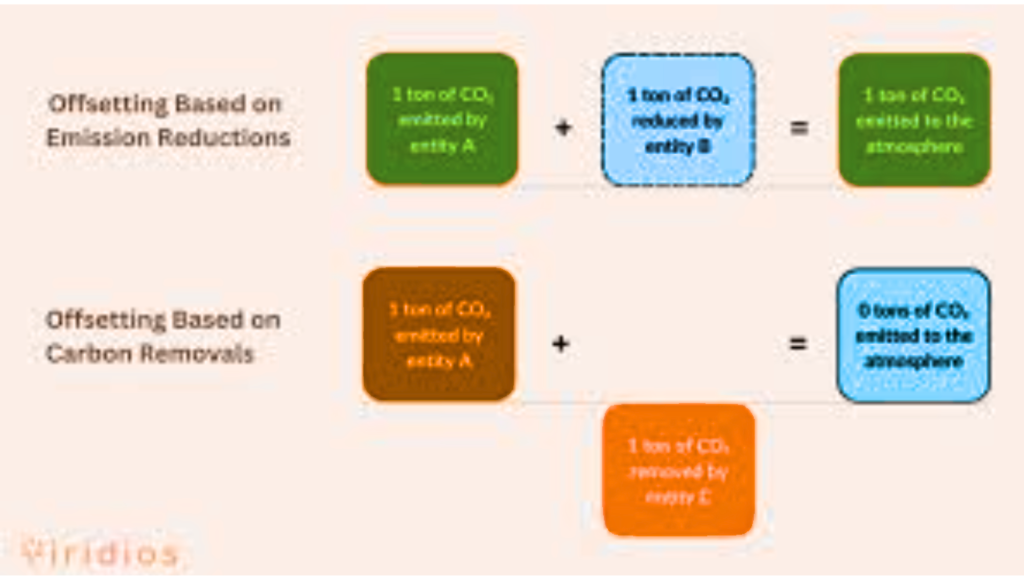
- Emissions are prevented at the source
- Claims are independently validated
It is the project.