
- FAQ
Frequently Asked Questions
Emissions Avoidance Project (Public)
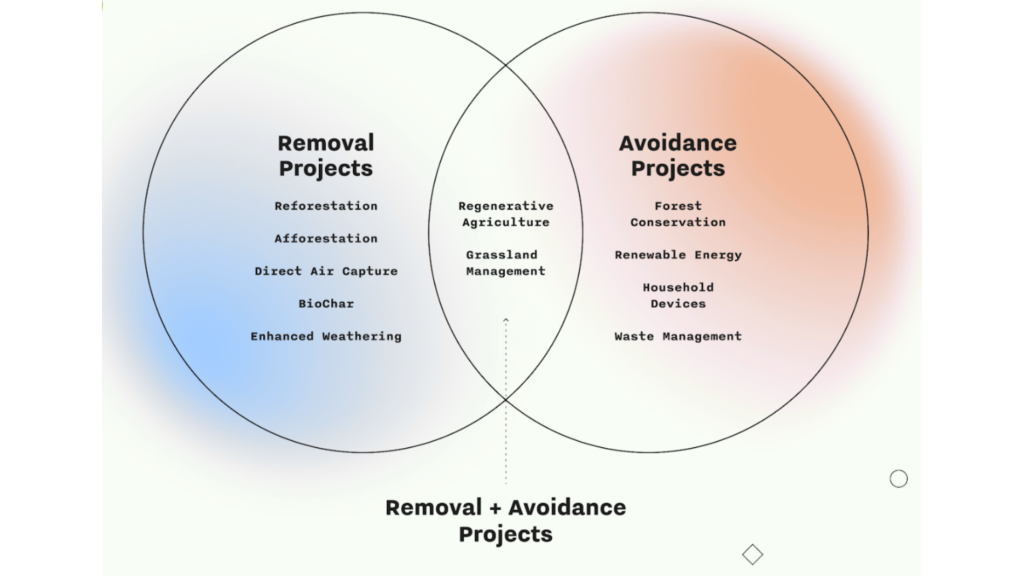

This page answers common questions from the public, media, policymakers, NGOs, and non-technical audiences about the emissions avoidance project. It is written to be clear, factual, and precise, without technical or legal jargon.
For institutional or technical questions, separate documentation is available.
1. What is the project in simple terms?
The project is based on a straightforward decision:
not extracting oil and gas that could otherwise be produced.
By leaving hydrocarbons permanently underground located in Los Angeles County, California, USA (onshore), greenhouse gas emissions that would have occurred during production, transport, refining, and combustion are prevented entirely.
2. Is this a carbon offset?
No.
A traditional carbon offset compensates for emissions after they happen—for example, by funding a project elsewhere.
The project prevents emissions before they happen by ensuring the oil and gas are never extracted in the first place.
3. How does not producing oil reduce emissions?
Oil and gas only generate emissions when they are:
- Extracted
- Processed
- Transported
- Burned
If the oil is never produced, none of those emissions occur.
This avoids emissions across the full lifecycle, from the ground to end use.
4. How do we know the oil would have been produced otherwise?
The the project located in Los Angeles County, California, USA (onshore) is a historically productive site with recoverable hydrocarbons.
Independent analysis confirms that production could occur under standard economic assumptions.
The climate benefit exists because production could have happened, but does not.
5. Is this just a promise for the future?
The project is supported by legal non-extraction documentation. Detailed legal and risk materials are available through the controlled diligence process.
6. What does “permanent” mean in this project?
In public materials, ‘permanent’ refers to the project’s legal non-extraction structure. Detailed permanence and risk analysis is available only to qualified parties under NDA.
7. How is this different from planting trees or other nature projects?
The emissions avoidance project is based on a straightforward decision:
not extracting oil and gas that could otherwise be produced.
By leaving hydrocarbons permanently underground at the project located in Los Angeles County, California, USA (onshore) greenhouse gas emissions that would have occurred during production, transport, refining, and combustion are prevented entirely.
8. Who verifies that this is real?
The project has undergone ISO-based third-party verification. Detailed verification materials are available through controlled diligence
9. Is this approved by a government or regulator?
The project’s methodology and emissions calculations have been reviewed by an independent third-party validator using internationally recognized standards for greenhouse gas verification.
This review checks whether:
- The baseline is credible
- The emissions avoidance is real
- The claims are supported by evidence
10. Upon retiring the carbon credit, may companies make an environmental benefit claim?
Yes, upon consumption, or retirement, of a carbon credit, companies may make environmental benefit claims, but companies are responsible for ensuring their public statements are accurate and appropriate.
11. Does this mean oil and gas should never be produced anywhere?
The Torrance project does not make a universal policy claim.
It demonstrates that choosing not to extract viable fossil fuel reserves can be a legitimate, measurable form of climate action when done deliberately and transparently.
12. Is this greenwashing?
The project is specifically structured to avoid greenwashing by:
- Limiting claims to what can be documented and verified
- Avoiding exaggerated or vague language
- Making the basis of the claim transparent
Claims are intentionally conservative.
13. Who benefits from this project?
- The climate benefits from avoided emissions
- Buyers and partners gain access to a defensible climate claim
- The public benefits from transparency around how claims are made
The project is designed to prioritize credibility over volume.
14. Have credits been minted on NTCE?
NTCE minting / recordation approval is pending.
15. Where can I learn more?
Additional information is available on:
- Permanence & Ownership
- Methodology & Independent Validation
- Governance & Disclosure
For media or research inquiries, a formal request process applies.
Summary
The project is based on a simple but uncommon idea:
If fossil fuels are never extracted, they never emit.
By enforcing that decision permanently and documenting it transparently, the project offers a different approach to climate action—focused on prevention rather than compensation.