- How It Works
Standards, Definitions & Terminology
How Key Terms Are Used on This Site
This page establishes explicit definitions and standards references for key terms used throughout this website.
Its purpose is interpretive control: to prevent ambiguity, semantic drift, or mischaracterization of project claims.
Where climate terminology is often used inconsistently across markets, this site uses the terms below in a precise and limited way.
1. Governing Standards Referenced
The emissions avoidance project is documented and evaluated using the following internationally recognized frameworks:
- ISO 14064-2 – Greenhouse gas projects (quantification and reporting at the project level)
- ISO 14064-3 – Validation and verification of greenhouse gas statements
These standards inform methodology, documentation, and independent review.
They do not imply regulatory approval, certification, or compliance crediting.
2. Core Project Terms
Emissions Avoidance
Definition (as used here):
The prevention of greenhouse gas emissions by prohibiting the activity that would otherwise generate them.
In this project, emissions avoidance occurs because hydrocarbons at the project located in Los Angeles County, California, USA (onshore)
are not extracted, preventing emissions from extraction, processing, transport, and combustion.
Not used to mean:
- Emissions compensation
- Emissions removal
- Market-wide demand reduction
Avoided Emissions
Definition:
A quantified amount of greenhouse gas emissions that would have occurred under a credible baseline scenario, but did not occur due to enforced non-extraction.
This term is used only when referring to calculated quantities, not abstract impact.
Baseline Scenario
Definition:
A documented, credible representation of what would reasonably have occurred absent the project, based on historical production, technical viability, and economic assumptions.
Not used to mean:
- Worst-case emissions
- Hypothetical or speculative outcomes
- Policy-mandated scenarios
Additionality
Definition:
The condition that the avoided emissions would not have occurred without the project decision, and that non-extraction is not legally or regulatorily required.
Additionality it is assessed relative to realistic production conditions, not theoretical possibilities.
3. Permanence & Risk Terms
Permanence
Definition:
The durability of emissions avoidance achieved by legally and operationally prohibiting extraction, such that there is no lawful or practical pathway for emissions to occur.
Permanence here is structural, not probabilistic.
Not used to mean:
- Guaranteed climate outcomes
- Long-term performance assumptions
- Modeled reversal risk mitigation
Reversal
Definition:
A circumstance in which emissions that were previously avoided later occur.
4. Scope & Accounting Terms
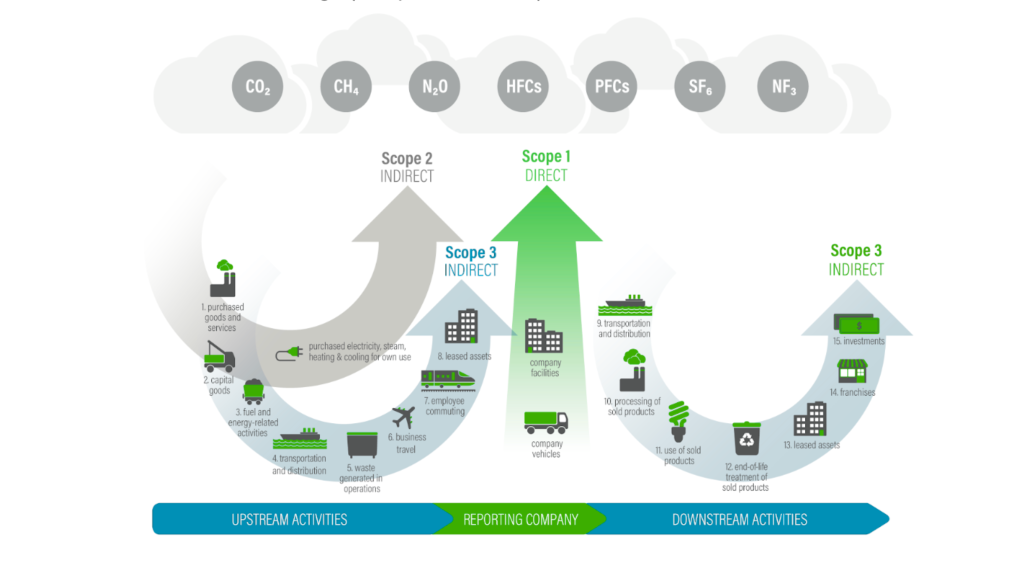
Scope 1, 2, and 3 Emissions
Definition (as applied here):
Lifecycle greenhouse gas emissions that would have occurred under production, including:
- Scope 1: Direct emissions from extraction
- Scope 2: Indirect emissions from energy use
- Scope 3: Downstream emissions from processing and combustion
Important limitation:
The project does not assert economy-wide demand displacement or broader market effects.
5. Validation, Verification & Assurance
Validation
Definition:
An independent, third-party assessment of whether a project’s methodology, assumptions, and documentation are appropriate and credible before or at the time claims are made.
The project has undergone independent validation under ISO 14064-3.
Verification
Definition:
A third-party assessment confirming whether reported information is accurate and consistent with documentation, typically after implementation.
Where used, the term “verification” is explicitly scoped and qualified.
Independent
Definition:
Performed by an entity that:
- Has no ownership interest in the asset
- Does not control project outcomes
- Does not participate in marketing or transactions
Independence does not imply endorsement or commercialization.
6. Market & Regulatory Terms
Voluntary
Definition:
Not mandated by law or regulation.
“Voluntary” does not mean:
- Unregulated
- Unreviewed
- Immune from legal or disclosure scrutiny
Compliance
Definition (as used on this site):
Refers to legally mandated emissions programs or allowances.
The project does not represent a compliance instrument and makes no claim of equivalence.
Carbon Credit
Definition:
A tradable instrument typically issued under a registry framework representing a reduction or removal elsewhere.
The project is not described as a carbon credit.
Controlled diligence
Definition:
A non-public review process for qualified parties that may include technical, legal, risk, transaction, and valuation materials.
NTCE
Definition:
NTCE / NTCP refers to the operational recordation and custody framework, subject to applicable approval and controlled records.
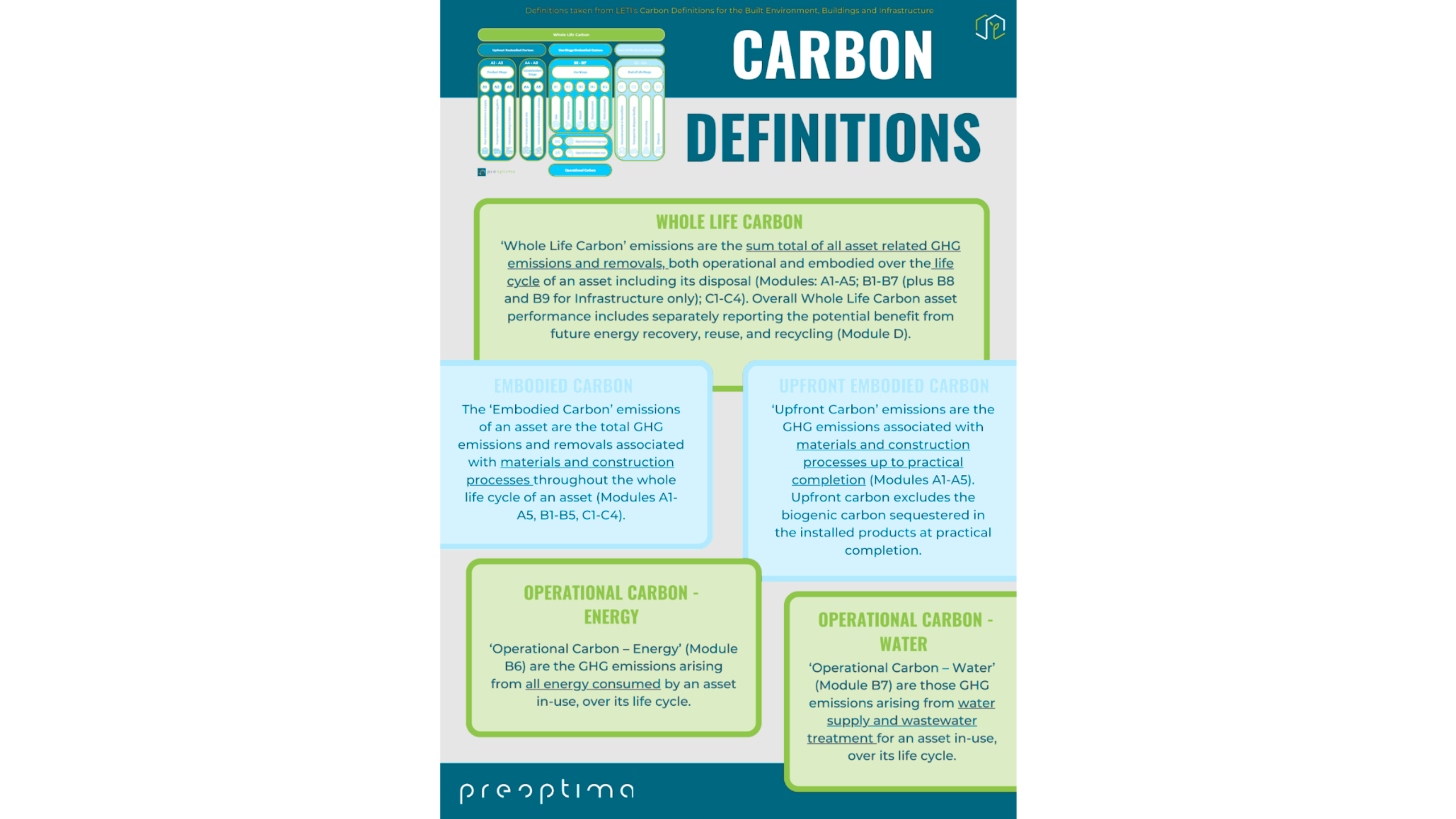
7. Why These Definitions Matter
Climate disputes often arise not from facts, but from unstated assumptions about language.
This page exists to make explicit:
- How terms are used here
- How they differ from casual or market usage
- What interpretations are not intended
Readers should rely on these definitions when interpreting any other page on this site.

Summary
Standards & Definitions
Transactions associated with the project are designed to:
- Convey defined, defensible climate claims
- Maintain clear boundaries around ownership and authority
- Enable responsible disclosure by counterparties
- Withstand regulatory, audit, and litigation scrutiny
Ambiguity is a risk.
This structure is designed to eliminate it.